Prenatal Strength Training: How to Lift Safely Through Pregnancy
Strength training during pregnancy is not only safe for most women — it helps with the aches, energy and demands of carrying and caring for a baby. The key is sensible modifications and listening to your changing body. Here is why prenatal strength work helps, how to do it safely as pregnancy progresses, and when to modify or stop.
Why Strength Training Helps in Pregnancy
The benefits of staying strong: the the-supports-the-changes (the strength easing the back, hip and posture demands of a growing bump from the back-pain logic — the support-the-load), the the-prepares-for-birth-and-beyond (the strength and stamina helping with labor and lifting a baby after from the birth-prep logic — the prepare-the-body), the the-energy-and-mood (the movement supporting energy and mood through pregnancy — the the-feel-good), the the-healthy-pregnancy (the appropriate exercise supporting a healthy pregnancy with provider clearance from the safe-exercise logic — the cleared-and-beneficial), the the-maintains-function (the keeping strength you will want postpartum — the the-long-game), and the reframe (the prenatal strength training as safe, beneficial support for the body’s changing demands — with the right modifications and clearance).

The Safe How-To by Trimester
Adjusting as you grow: the the-get-cleared-first (the confirming with your provider before continuing or starting from the safe-exercise logic — the clearance-first), the the-keep-what-you-did (the generally continuing pre-pregnancy training with modifications, rather than starting heavy new — the modify-not-max), the the-first-trimester (the mostly continuing as able, listening to fatigue and nausea — the ease-with-energy), the the-second-trimester (the avoiding lying flat on the back for long and adjusting the bump-affected moves from the trimester logic — the modify-the-position), the the-third-trimester (the reducing load, widening stance for balance and choosing supported moves from the third-trimester logic — the support-and-stability), the the-good-form-and-breathing (the bracing gently and breathing, not holding the breath or straining — the breathe-do-not-strain), the the-pelvic-floor-aware (the training mindful of the pelvic floor from the pelvic-floor logic — the the-floor-matters), and the the-lighter-controlled (the moderate loads with control over maxing out — the controlled-not-heavy).
The Signals to Modify or Stop
When to adjust: the the-provider-guidance (the following your provider’s specific advice above all — the personalized-first), the the-warning-signs-stop (the stopping for bleeding, dizziness, contractions, fluid or chest pain and calling your provider — the the-red-flags), the the-doming-or-pressure (the modifying if the belly domes or you feel pelvic pressure from the pelvic-floor logic — the the-core-signal), the the-overheating-and-hydration (the avoiding overheating and staying hydrated — the keep-cool), the the-balance-and-fatigue (the respecting balance changes and fatigue — the do-not-push-through), the the-no-breath-holding (the avoiding heavy straining that spikes pressure — the breathe-through), and the frame (the prenatal strength training as cleared, modified-by-trimester, controlled work stopped at any warning sign — safe strength through pregnancy. Get cleared, modify positions and load as you grow, breathe rather than strain, and stop immediately for any red-flag symptom).
Strength training during pregnancy is safe for most women and genuinely helps with the aches, energy and demands of carrying and caring for a baby — with sensible modifications and provider clearance. It helps by supporting the back and posture as the bump grows, preparing the body for labor and lifting a baby, and maintaining strength you will want postpartum. Do it safely by getting cleared first, generally continuing (modified) rather than starting heavy, avoiding long flat-on-back positions from the second trimester, reducing load and widening your stance later, keeping good form, breathing rather than straining, and staying pelvic-floor aware. Stop and call your provider for bleeding, dizziness, contractions, fluid, chest pain, belly doming or pelvic pressure. Safe strength through pregnancy.
See It in Motion
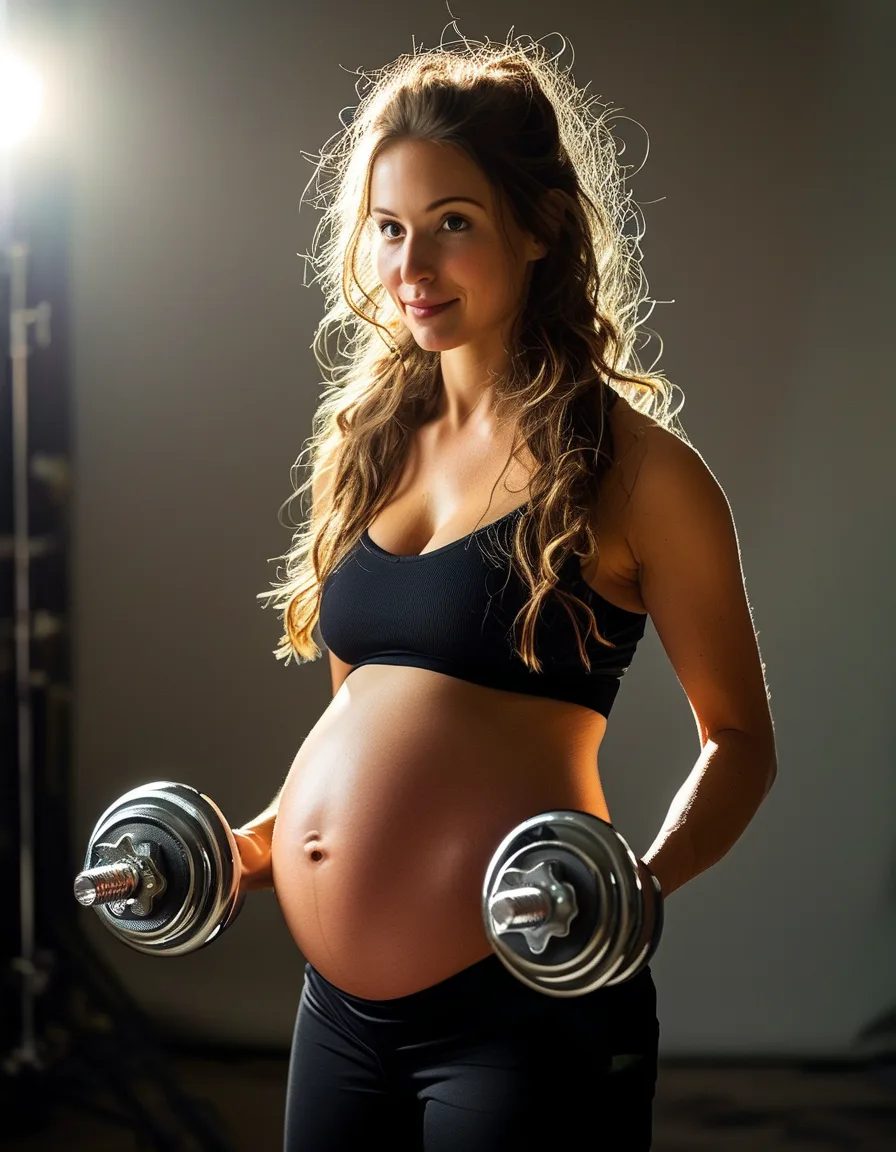
Seen here: Maternity Capris with Side Pockets — shop it on bubblelime.com
Keep Reading
This article is for general informational purposes only and is not medical advice. It is not a substitute for professional diagnosis or treatment. Always consult a qualified healthcare provider about your individual situation, especially before making significant changes to your diet or exercise routine.